
10 Innovative Farming Techniques Transforming African Agriculture
Africa’s agricultural landscape is evolving. As farmers across the continent face increasing challenges—from unpredictable weather patterns and land degradation to limited access to technology—the need for innovation has never been greater. Traditional methods alone are no longer enough to feed a growing population or to ensure sustainable livelihoods. Fortunately, a wave of transformative farming techniques is taking root across Africa, helping farmers increase productivity, conserve resources, and adapt to climate change. These modern approaches are not just for large-scale agribusinesses; they’re empowering smallholder farmers with practical, affordable solutions that make a real difference. From precision agriculture and improved irrigation systems to mobile-based advisory platforms and biofertilizers, innovation is bridging the gap between potential and performance. In this article, we explore 10 groundbreaking farming techniques that are reshaping African agriculture—and show how they’re unlocking new possibilities for food security, economic development, and environmental sustainability.
1. Precision Agriculture
Precision agriculture is a modern farming technique that uses data and technology to optimize crop production. By leveraging tools such as GPS, sensors, satellite imagery, and drones, farmers can monitor soil health, weather patterns, crop performance, and pest activity with remarkable accuracy. This data-driven approach allows for targeted interventions—such as applying the right amount of fertilizer or water exactly where and when it’s needed—minimizing waste and maximizing yields.
In Africa, where resources like water and arable land are often limited, precision agriculture is proving to be a game-changer. It helps farmers reduce costs, improve productivity, and make informed decisions based on real-time data. From smallholders using mobile apps to large farms deploying drones, the technology is becoming more accessible and affordable. As digital adoption grows across the continent, precision agriculture holds the promise of revolutionizing farming practices and boosting food security in sustainable ways.

2. Conservation Agriculture
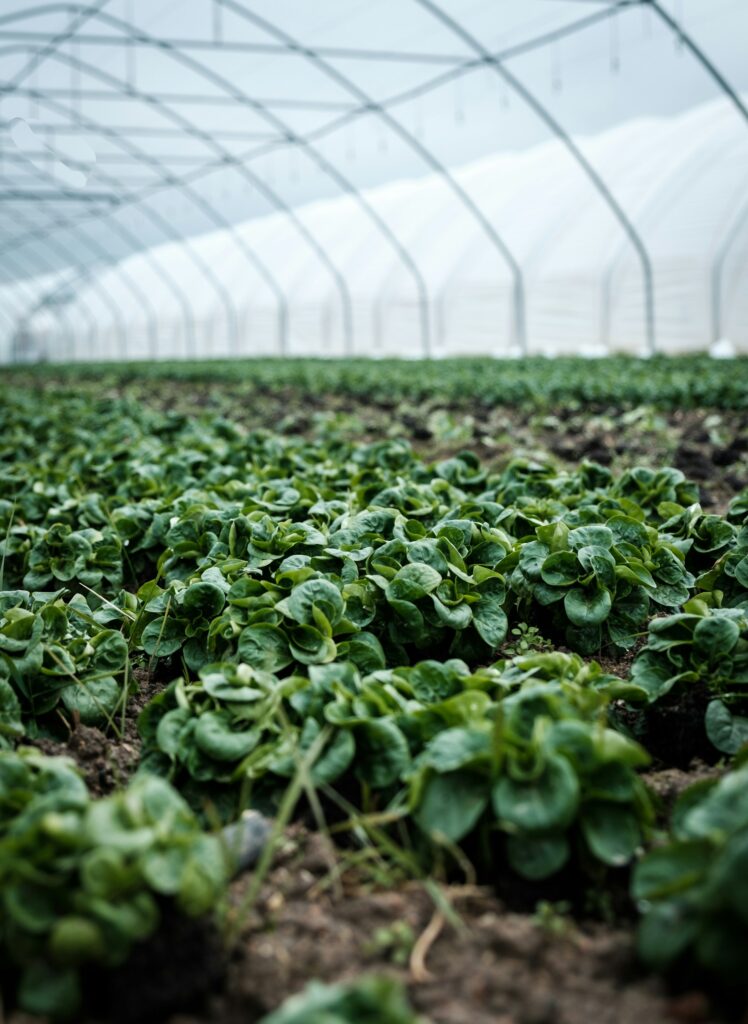
Conservation agriculture is a sustainable farming method that focuses on preserving soil health, enhancing biodiversity, and improving water retention. It is built on three key principles: minimal soil disturbance (no-till or reduced tillage), permanent soil cover using crop residues or cover crops, and crop rotation or diversification. These practices help restore soil fertility, reduce erosion, and increase resilience to drought and climate shocks.
In many parts of Africa, over-cultivation and poor land management have led to soil degradation and reduced yields. Conservation agriculture offers a practical and affordable solution for reversing this trend. By reducing the need for constant ploughing and maintaining organic matter in the soil, farmers can improve productivity over time while lowering input costs.
Adoption of this technique is growing across Kenya, Zambia, and Ethiopia, where farmers report better harvests and greater resilience to climate change. Conservation agriculture is key to building long-term food security and environmental sustainability in African farming.
3. Vertical Farming
Vertical farming is a revolutionary technique that involves growing crops in vertically stacked layers, often in controlled indoor environments. It maximizes space efficiency and allows year-round production using technologies such as hydroponics, LED lighting, and climate control systems. This method significantly reduces the need for land, water, and chemical inputs compared to traditional farming.
In Africa’s rapidly urbanizing regions, where arable land is limited and food demand is rising, vertical farming presents an innovative solution. It enables communities to grow fresh vegetables closer to urban centers, reducing transportation costs and post-harvest losses. Small-scale vertical farms are already being piloted in countries like Kenya, Nigeria, and South Africa, offering opportunities for youth entrepreneurship and local food supply chains.
Though initial setup costs can be high, the long-term benefits—reduced water usage, high yields, and minimal pesticide use—make vertical farming a promising approach. It’s a sustainable path forward for agriculture in Africa’s cities.


4. Drip Irrigation Systems
Drip irrigation is a water-efficient farming technique that delivers water directly to the root zone of plants through a network of pipes, tubes, and emitters. Unlike traditional irrigation methods that often lead to water wastage through runoff and evaporation, drip systems ensure that every drop counts. This makes it ideal for regions in Africa where water scarcity is a major concern.
By providing consistent moisture directly where it’s needed, drip irrigation enhances plant growth, improves yields, and reduces weed growth and disease. It also allows farmers to apply fertilizers through the system, improving efficiency and saving time.
In countries like Kenya, Ethiopia, and Morocco, smallholder farmers and agribusinesses are adopting drip irrigation with the support of NGOs, governments, and private companies. With rising concerns over climate change and water security, this technique is proving essential in building climate-resilient farming systems and ensuring sustainable crop production across the continent.
In Africa’s rapidly urbanizing regions, where arable land is limited and food demand is rising, vertical farming presents an innovative solution. It enables communities to grow fresh vegetables closer to urban centers, reducing transportation costs and post-harvest losses. Small-scale vertical farms are already being piloted in countries like Kenya, Nigeria, and South Africa, offering opportunities for youth entrepreneurship and local food supply chains.
Though initial setup costs can be high, the long-term benefits—reduced water usage, high yields, and minimal pesticide use—make vertical farming a promising approach. It’s a sustainable path forward for agriculture in Africa’s cities.
5. Use of Drones in Farming
Drones are transforming agriculture by giving farmers an aerial view of their land, allowing for faster, more accurate monitoring of crops and livestock. Equipped with cameras and sensors, drones can capture detailed images that reveal plant health, pest infestations, water stress, and nutrient deficiencies—often before they’re visible to the naked eye.
This real-time data helps farmers make informed decisions, apply fertilizers and pesticides more precisely, and reduce waste. In large farms, drones also assist in mapping, crop spraying, and monitoring irrigation systems.
In Africa, the adoption of agricultural drones is gaining momentum, especially in countries like Rwanda, South Africa, and Ghana. Startups and NGOs are increasingly offering drone services to smallholder farmers, making the technology more accessible.
By saving time, improving efficiency, and increasing yields, drones are playing a vital role in the modernization of African agriculture. They are not just high-tech tools—they’re becoming essential partners in smarter, data-driven farming.


6. Hydroponics and Aquaponics
Hydroponics and aquaponics are soil-less farming techniques that allow crops to grow in nutrient-rich water systems, making them ideal for urban and arid regions with limited arable land. Hydroponics involves cultivating plants directly in water infused with essential nutrients, while aquaponics combines hydroponics with fish farming, using fish waste to naturally fertilize the plants.
These systems offer numerous advantages: faster plant growth, higher yields in smaller spaces, and reduced water usage—up to 90% less than traditional farming. Because the environment is controlled, pests and diseases are minimized, reducing the need for chemical pesticides.
In Africa, hydroponics and aquaponics are gaining traction in Kenya, Uganda, and Nigeria, especially in urban centers and schools. These systems empower youth and women entrepreneurs, improve local food production, and support food security in areas where traditional farming is challenging.
By embracing these innovative methods, African farmers are redefining what’s possible in sustainable agriculture.
7. Mobile-Based Agricultural Advisory Services
Mobile technology is revolutionizing how farmers access information, with mobile-based agricultural advisory services emerging as powerful tools for boosting productivity. Through simple SMS, mobile apps, and voice services, farmers can now receive timely guidance on weather forecasts, pest and disease management, market prices, planting techniques, and fertilizer use—right from their phones.
In Africa, where many smallholder farmers are located in remote areas with limited access to extension officers, mobile advisory platforms are bridging the knowledge gap. Services like iCow in Kenya, Esoko in Ghana, and AgroMall in Nigeria have empowered thousands of farmers with localized, actionable insights that improve decision-making and reduce risks.
These tools are particularly helpful for youth and women, who may face barriers to accessing traditional extension services. By bringing expert advice directly into farmers’ hands, mobile agricultural services are playing a crucial role in driving smart farming, improving yields, and enhancing livelihoods across the continent.

8. Improved Livestock Breeding Technologies
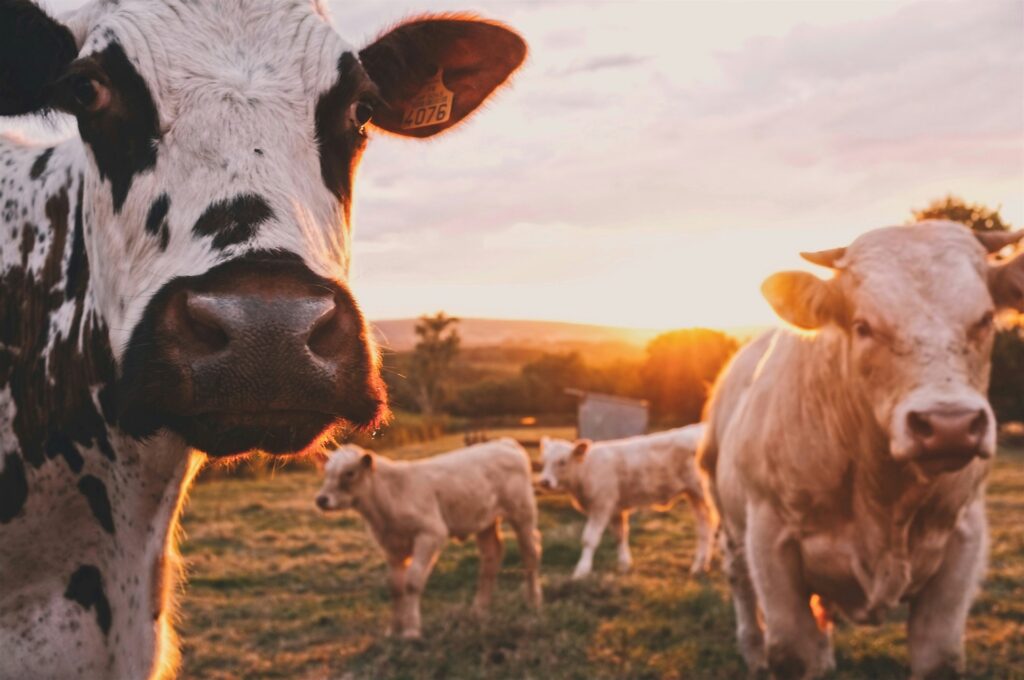
Livestock is a cornerstone of many African households, providing income, nutrition, and cultural value. However, traditional breeding methods often lead to slow growth rates, low milk yields, and increased vulnerability to disease. Improved livestock breeding technologies—such as artificial insemination, selective breeding, and embryo transfer—are changing that narrative by enhancing productivity, animal health, and resilience.
These technologies allow farmers to produce stronger, more productive breeds that are better suited to local conditions. For example, crossbreeding local cattle with exotic breeds can lead to animals that grow faster, produce more milk, and resist diseases common in African climates.
In countries like Kenya, Rwanda, and Tanzania, government programs and private initiatives are training farmers and veterinary officers in modern breeding techniques. This shift not only boosts meat and milk production but also improves household incomes and food security.
Empowering farmers with these tools ensures a more sustainable and profitable livestock sector in Africa.
9. Solar-Powered Cold Storage for Crops
Post-harvest losses remain a major challenge for African farmers, with up to 40% of produce wasted due to lack of proper storage and preservation. Solar-powered cold storage offers a sustainable, off-grid solution that helps farmers preserve perishable crops like fruits, vegetables, and dairy products immediately after harvest.
These systems use solar energy to run refrigeration units, extending the shelf life of produce and reducing spoilage. This not only increases income for farmers by allowing them to sell more of what they harvest, but also ensures a more stable food supply for local markets.
Startups across Africa—such as ColdHubs in Nigeria and SokoFresh in Kenya—are deploying mobile and community-based solar cold storage solutions that are affordable and easy to use. For smallholder farmers, especially those in remote areas without access to electricity, these innovations are game-changers.
Solar cold storage is turning post-harvest losses into economic opportunities—sustainably and affordably.

10. Biofertilizers and Natural Pest Control
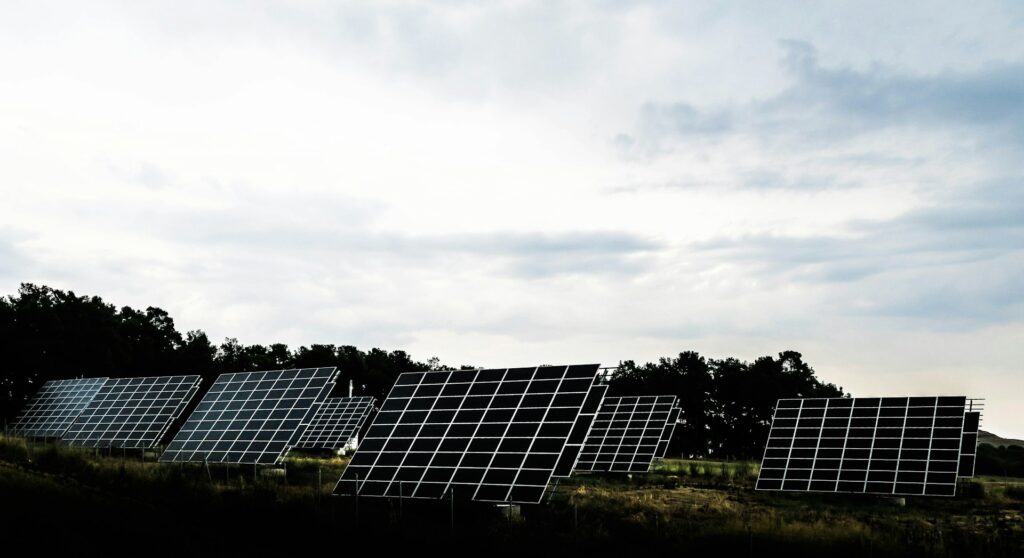
As awareness of environmental sustainability grows, African farmers are turning to biofertilizers and natural pest control methods as eco-friendly alternatives to chemical inputs. Biofertilizers are living microorganisms—such as rhizobia or mycorrhizae—that enrich the soil with nutrients, especially nitrogen and phosphorus, enhancing soil health and crop yields without polluting the environment.
Similarly, natural pest control methods use biological agents like neem oil, predatory insects, or companion planting to keep harmful pests in check. These approaches reduce the risk of pesticide resistance, protect beneficial organisms, and ensure safer food production.
In countries like Kenya, Uganda, and Ethiopia, farmers trained in organic practices are reporting better long-term productivity and lower input costs. By improving soil fertility and reducing chemical dependency, biofertilizers and natural pest control are helping smallholder farmers build resilient, regenerative farming systems.
These nature-based solutions not only protect the planet but also promote healthier harvests and sustainable agricultural livelihoods.