Turning Farms into Carbon Assets: Opportunities for Kenyan Smallholders
As the world races to combat climate change, carbon markets have emerged as a powerful tool for driving environmental action—offering financial incentives for practices that reduce or remove greenhouse gas emissions. While large corporations and industrial forests often dominate the spotlight, a new frontier is opening up for smallholder farmers in Kenya: turning their farms into carbon-earning assets. Through climate-smart methods like regenerative agriculture and agroforestry, farmers can sequester carbon in their soil and trees—earning carbon credits in the voluntary carbon market. However, many smallholders face barriers to entry, including limited awareness, technical complexity, and lack of access to buyers. That’s where Donwise Global Partners steps in. By providing training, technical support, and project aggregation, Donwise is empowering farmers to benefit from carbon markets—improving livelihoods while restoring ecosystems. In this article, we explore how Kenyan farms can generate income through carbon farming and how Donwise is leading the way.
What Are Carbon Markets?
Carbon markets are systems that allow organizations and individuals to offset their greenhouse gas emissions by purchasing carbon credits. One carbon credit represents the removal or avoidance of one metric ton of carbon dioxide from the atmosphere. These credits are generated through activities like reforestation, clean energy, and sustainable agriculture.
There are two types of carbon markets:
Compliance markets, regulated by governments and used to meet legal emission limits.
Voluntary markets, where businesses and individuals choose to offset their carbon footprints as part of climate commitments or CSR.
For Kenyan smallholder farmers, the voluntary carbon market offers a unique opportunity. Unlike compliance markets that often favor large industrial projects, voluntary markets welcome nature-based solutions like agroforestry, cover cropping, and composting. These practices can turn everyday farming activities into carbon sinks—creating a new stream of climate-linked income.
With growing global demand for carbon credits, smallholders now have the chance to profit while healing the planet.


How Farms Can Become Carbon Assets
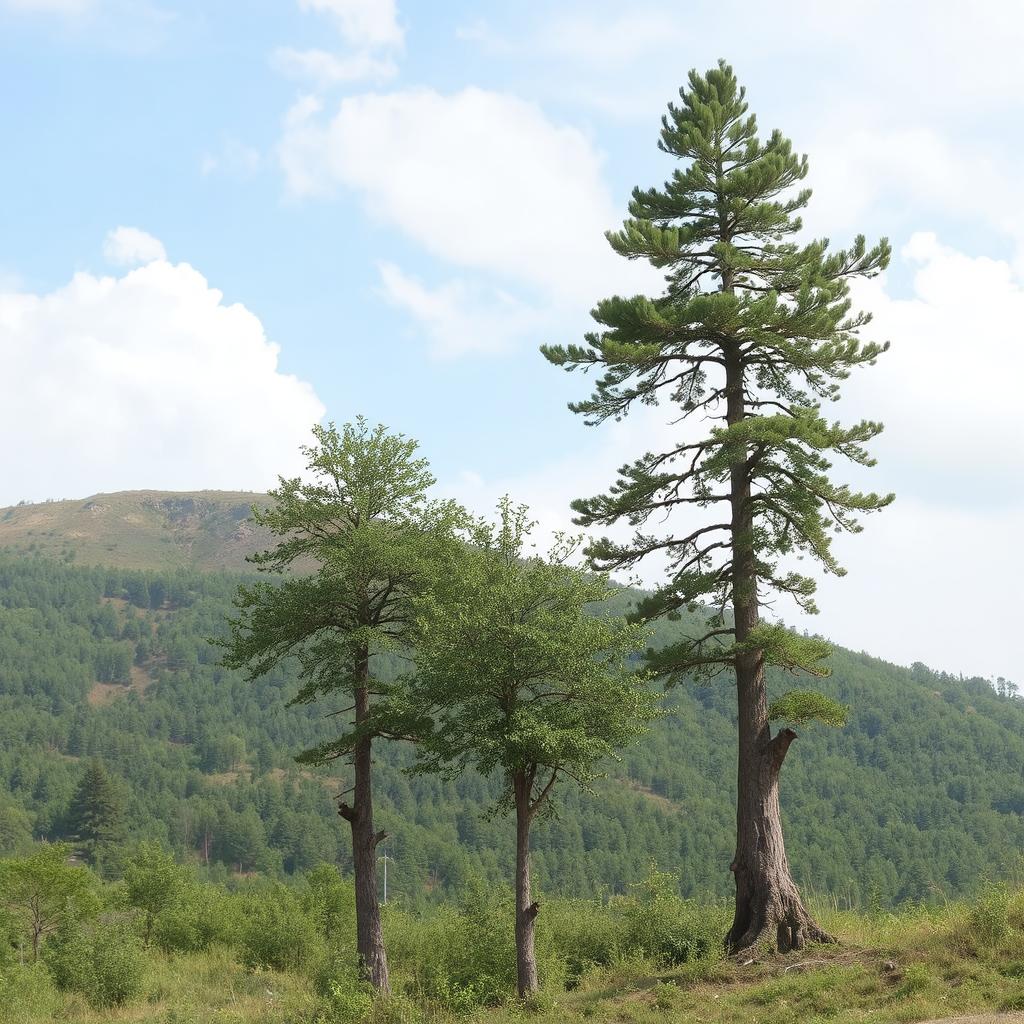
Farms can act as powerful carbon sinks through practices that remove carbon dioxide from the atmosphere and store it in soil and vegetation. This is the core idea behind regenerative agriculture and agroforestry—sustainable methods that restore ecosystem balance while enhancing productivity.
In regenerative agriculture, farmers use techniques like minimal tillage, cover cropping, compost application, and crop rotation to build soil organic matter. Healthy soil acts like a sponge, absorbing and storing carbon for decades. Agroforestry involves planting trees and shrubs among crops or pastures, creating permanent biomass that captures carbon as it grows.
These practices not only help mitigate climate change but also improve soil fertility, increase water retention, and boost crop resilience. The more carbon farmers sequester, the more carbon credits they can generate—turning their farms into valuable environmental assets.
With proper documentation and verification, these credits can be sold in voluntary carbon markets, creating a new revenue stream for smallholder farmers.
Challenges Faced by Smallholders in Accessing Carbon Markets
Despite the potential of carbon markets, many Kenyan smallholder farmers struggle to participate due to several barriers. These challenges make it difficult for them to turn their climate-friendly practices into verified carbon credits:
-
High Costs of Verification and Certification
Registering and validating a carbon project requires expensive monitoring, reporting, and third-party audits—often beyond the reach of individual smallholders. -
Lack of Technical Knowledge
Many farmers are unfamiliar with the concepts of carbon sequestration, carbon accounting, and market mechanisms. -
Fragmented Land Ownership
Most smallholders work on small plots, making it hard to meet the scale required by most carbon offset buyers. -
Limited Access to Markets
Farmers lack direct connections to buyers in the voluntary carbon market or platforms that facilitate fair trade. -
Complex Documentation and Standards
Navigating the paperwork, methodologies, and certification requirements is overwhelming without expert guidance.
These challenges highlight the need for intermediaries like Donwise to bridge the gap between smallholders and the global carbon economy.

How Donwise Supports Smallholders
At Donwise Global Partners, we believe that smallholder farmers deserve a place in the global climate economy. That’s why we’ve developed a practical support model to help them access voluntary carbon markets and benefit from their climate-smart practices. Here’s how we do it:
-
Training and Capacity Building
We train farmers in regenerative agriculture, agroforestry, and climate-smart practices that improve soil health and sequester carbon. -
Farmer Aggregation
Donwise organizes smallholders into cooperatives or project clusters, helping them meet the scale needed for market participation. -
Technical Support and Project Design
Our team handles baseline assessments, carbon accounting, and documentation to ensure compliance with market standards. -
Market Linkage and Sales Support
We connect farmers to buyers in the voluntary carbon market, ensuring fair compensation through transparent processes. -
Ongoing Monitoring and Verification
Donwise oversees data collection, reporting, and third-party verification to uphold credibility and trust.
Through this hands-on approach, Donwise turns small farms into climate assets—and farmers into climate champions.
Benefits to Farmers and the Environment
Helping smallholder farmers access carbon markets isn’t just about earning extra income—it’s a strategy that delivers wide-reaching benefits for people and the planet.
For Farmers:
New Income Stream: Selling carbon credits gives farmers an additional source of income without changing their core farming activities.
Improved Soil Health: Regenerative practices enhance soil fertility, leading to better yields and long-term productivity.
Climate Resilience: Healthier soils and agroforestry systems increase water retention and reduce vulnerability to droughts.
Access to Training and Support: Participation brings valuable knowledge, tools, and ongoing support from partners like Donwise.
For the Environment:
Carbon Sequestration: Farms actively remove CO₂ from the atmosphere, contributing to global climate mitigation efforts.
Biodiversity Conservation: Agroforestry promotes ecological diversity in farming systems.
Reduced Land Degradation: Practices like cover cropping and minimal tillage protect topsoil and prevent erosion.
By aligning environmental action with economic benefit, carbon farming becomes a win-win for Kenyan farmers and the earth.