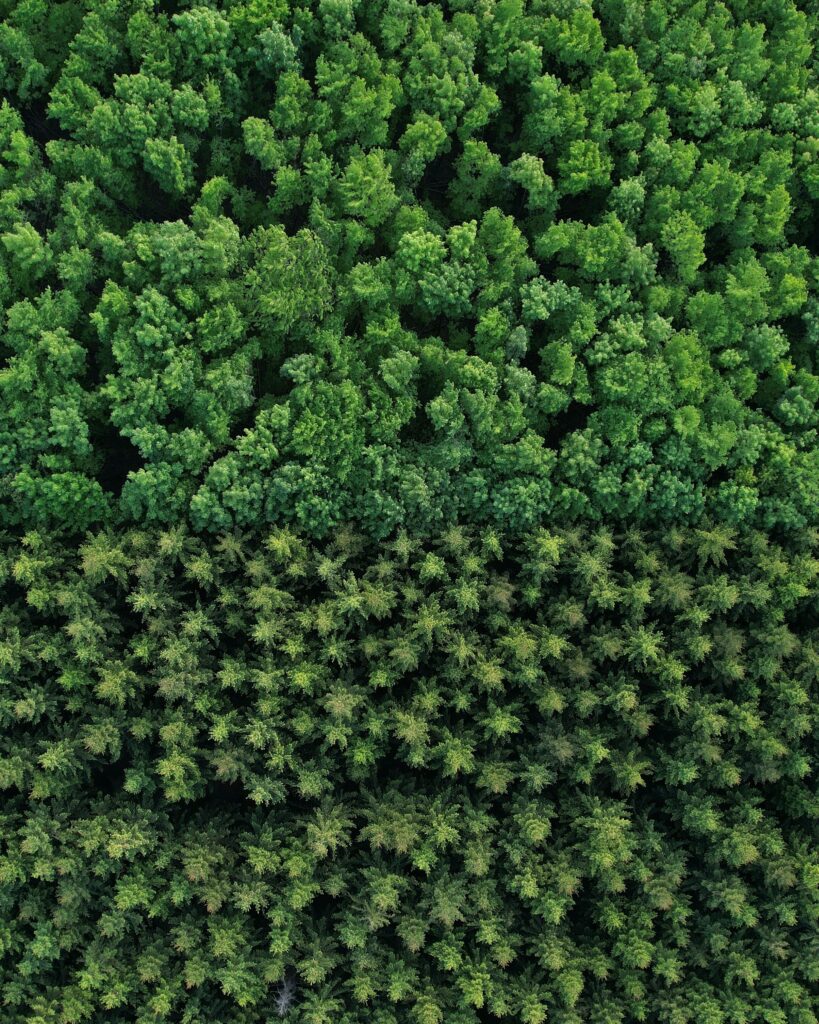
Reforestation and Agroforestry for Profit: Creating Carbon Revenue Streams
Reforestation and agroforestry are no longer just about environmental restoration—they’re also powerful tools for generating income through carbon credits. In Kenya and across Africa, landowners, cooperatives, NGOs, and community groups are discovering the financial potential of planting bamboo, indigenous trees, and other climate-smart species. These nature-based solutions not only restore degraded landscapes but also create verifiable carbon revenue streams through established registries like Verra and Gold Standard.
At Donwise, we guide project developers through every step—from conducting feasibility studies and selecting eligible land, to project design and carbon registry documentation. Our team ensures your reforestation or agroforestry initiative meets the strict eligibility criteria and monitoring standards required for registration and verification. Whether you’re a farmer, an NGO, or a startup, we help you turn your sustainability vision into a profitable and climate-resilient project.
What Makes a Project Eligible for Carbon Revenue
Not all tree-planting or agroforestry efforts qualify for carbon credits—eligibility is determined by specific technical and environmental standards. For a reforestation or agroforestry project to generate carbon revenue, it must be additional (i.e., it wouldn’t have occurred without carbon finance), measurable, and verifiable under internationally recognized standards such as Verra (VCS) or Gold Standard.
Eligible projects typically include:
- Bamboo plantations on degraded land
- Indigenous tree planting on community or private farms
- Agroforestry systems that combine food crops and trees for long-term sustainability
- Restoration of riparian or water catchment areas
Other requirements include documented baseline assessments, proper land ownership or user rights, long-term maintenance plans, and community involvement. These elements are critical for passing third-party validation and verification.
At Donwise, we help project owners navigate these eligibility requirements, ensuring your concept meets carbon market standards from the start—saving time, money, and missed opportunities.

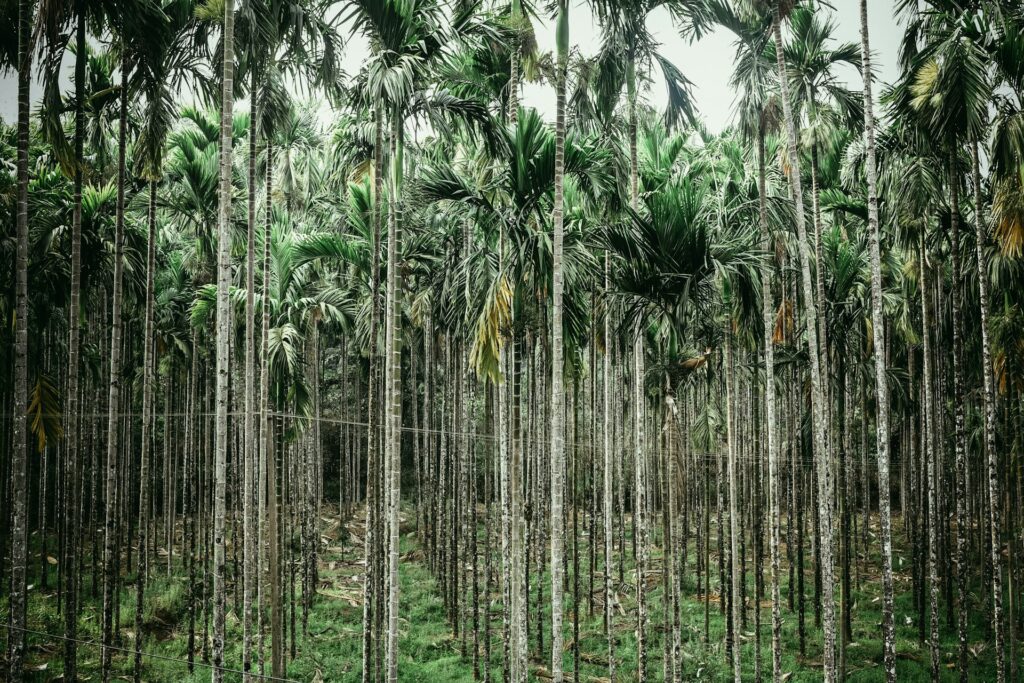
High-Value Agroforestry and Reforestation Options
Choosing the right species and models for agroforestry or reforestation can significantly impact both carbon revenue and community benefits. Donwise guides clients in selecting high-value options that maximize impact and marketability.
Bamboo Plantations
Fast-growing and excellent for degraded land rehabilitation, bamboo captures significant carbon quickly and offers additional income streams from poles, charcoal, and furniture.
Indigenous Tree Species
Trees like Croton, Terminalia, and Melia volkensii are well-adapted to Kenyan ecosystems. They enhance biodiversity and meet the sustainability criteria favored by premium carbon buyers.
Silvopasture Systems
Integrating trees with livestock grazing improves soil fertility and boosts fodder supply while earning carbon credits under agroforestry methodologies.
Alley Cropping and Windbreaks
Rows of trees planted alongside food crops protect farmland, reduce erosion, and qualify under carbon schemes when managed properly.
Donwise helps you choose the right models based on your land type, climate zone, and long-term goals—ensuring the project is not just sustainable, but profitable.
From Idea to Income: Donwise’s Feasibility Study & Advisory Services
Turning a reforestation or agroforestry idea into a viable carbon credit project requires expertise, planning, and due diligence. At Donwise, we help NGOs, cooperatives, county governments, and private landowners move from concept to carbon revenue through our tailored feasibility and advisory services.
Our process begins with a comprehensive feasibility study that assesses land suitability, tree species selection, carbon potential, and alignment with recognized methodologies such as Verra and Gold Standard. We evaluate legal, social, and environmental factors to ensure your project is both credible and fundable.
From there, we provide advisory support throughout the project lifecycle — including stakeholder engagement, risk assessment, baseline data collection, and pathway-to-registration planning. Whether you’re exploring bamboo farming or restoring indigenous forests, our team ensures your project is technically sound and financially viable.


Success Factors: What Increases Project Viability
The viability of reforestation and agroforestry carbon projects hinges on several critical success factors. At Donwise, we emphasize these elements to maximize project approval rates, long-term profitability, and community impact:
- Land Tenure Clarity – Secure, documented land rights are essential for project legitimacy and investor confidence.
- Species Selection – Fast-growing, high-carbon-sequestering species (e.g., bamboo, grevillea, indigenous trees) enhance carbon yield and ecological value.
- Community Buy-In – Early engagement with local farmers and communities ensures support, cooperation, and shared benefits.
- Baseline Data & MRV Readiness – Accurate data collection and clear monitoring plans (MRV) are critical for certification and credit issuance.
- Market Linkages – Connections with carbon credit buyers and aggregators improve income potential and project sustainability.
- Regulatory Compliance – Alignment with Kenyan environmental laws and global standards like Verra or Gold Standard boosts credibility.
Donwise helps you integrate all these factors from day one.

Why Act Now? Carbon Markets Are Booming
The global carbon credit market is experiencing explosive growth — and Kenyan stakeholders stand to benefit immensely. With rising demand from corporations aiming to meet net-zero targets, high-quality nature-based carbon credits are fetching premium prices.
- Global Demand Surge – Voluntary carbon markets alone could reach $50 billion by 2030, with nature-based solutions like reforestation at the forefront.
- Africa’s Strategic Advantage – Kenya’s climate, land availability, and biodiversity make it a prime location for impactful carbon projects.
- Policy Momentum – Kenya is developing enabling frameworks to support carbon trading, including benefit-sharing mechanisms and local carbon registries.
- Early Mover Advantage – Organizations that enter the market now can secure higher prices, build credibility, and attract long-term buyers.
- Development + Revenue – Carbon projects not only fight climate change but also create jobs, restore ecosystems, and generate sustainable income.
Partner with Donwise to act fast and act smart.
Plant Trees, Grow Revenue, Fight Climate Change
Planting trees is no longer just an act of conservation — it’s a smart investment. Through reforestation and agroforestry, Kenyan farmers, NGOs, and cooperatives can now earn carbon credits that generate consistent revenue while restoring degraded land and enhancing biodiversity. With the global carbon market booming, each tree planted has the potential to offset emissions and earn income.
Projects involving indigenous trees, bamboo, and mixed agroforestry systems are especially valuable, aligning with both climate goals and community development. Beyond income, these efforts improve soil fertility, increase water retention, and create shade for crops and livestock.
At Donwise, we help you design viable projects, assess carbon potential, and register with reputable standards like Verra or Gold Standard. Whether you’re starting small or thinking big, we’ll guide you from planting to payment. Let’s grow trees that grow income — for today, and for generations to come.