
The Role of Climate-Smart Agriculture in Food Security
In the face of growing climate uncertainty, feeding Africa’s rapidly expanding population has become an urgent challenge. Unpredictable rainfall, prolonged droughts, and land degradation are already threatening food systems and livelihoods—especially for smallholder farmers. Climate-Smart Agriculture (CSA) offers a promising solution. It integrates sustainable farming practices with climate resilience and productivity, ensuring that agriculture adapts to changing weather patterns while safeguarding food security.
At Donwise Global Partners, we recognize that building climate resilience in agriculture is not just about survival—it’s about transforming the sector into a source of stability, prosperity, and opportunity. From drought-resistant crops to improved soil management and efficient irrigation systems, CSA approaches are empowering farmers to increase yields, reduce emissions, and secure consistent food supplies.
In this article, we explore the core principles of Climate-Smart Agriculture, its benefits to food security, and how Donwise is helping farmers adopt these practices across Kenya and beyond.
What is Climate-Smart Agriculture (CSA)?
Climate-Smart Agriculture (CSA) is an integrated approach to farming that addresses the interlinked challenges of food security and climate change. Unlike traditional farming methods, CSA is designed to be dynamic, responsive, and sustainable. It focuses on three main objectives:
- Increase agricultural productivity – helping farmers grow more food and earn better incomes, even in difficult conditions.
- Enhance resilience – enabling farms to withstand and recover from climate shocks like droughts, floods, and erratic rainfall.
- Reduce greenhouse gas emissions – promoting practices that lower carbon footprints and enhance carbon storage in soil and plants.
CSA isn’t a one-size-fits-all solution. It adapts to local contexts—combining indigenous knowledge with modern technologies such as precision farming, agroforestry, and improved seed varieties.
At Donwise, we work with communities to identify context-appropriate CSA techniques that improve both productivity and environmental sustainability.


Why Climate-Smart Agriculture Matters for Food Security in Kenya
Kenya faces growing food insecurity due to climate change, land degradation, and a rapidly increasing population. Unpredictable rainfall, prolonged droughts, and frequent floods are disrupting traditional farming systems and reducing crop yields. In such a fragile environment, Climate-Smart Agriculture (CSA) offers a timely and sustainable solution.
CSA empowers farmers to adapt to climate change, improve soil fertility, and increase productivity, all while preserving the environment. For instance, techniques like agroforestry and conservation agriculture help retain moisture, reduce erosion, and enrich the soil—leading to better harvests even in dry conditions.
By adopting CSA, Kenya’s smallholder farmers can grow more food using fewer resources, ensuring families have enough to eat and even surplus to sell. This strengthens local economies and builds resilience at the grassroots level.
CSA isn’t just a farming method—it’s a food security strategy that’s helping Kenya feed itself sustainably now and in the future.
Key Climate-Smart Agriculture Practices in Kenya
Kenyan farmers are increasingly turning to Climate-Smart Agriculture (CSA) practices to adapt to changing weather patterns while improving yields. Below are some of the most effective CSA methods transforming farming across the country:
- Agroforestry – Integrating trees with crops and livestock improves soil fertility, provides shade, prevents erosion, and captures carbon.
- Drip Irrigation – Helps conserve water and ensures crops receive moisture efficiently, even during dry seasons.
- Conservation Agriculture – Techniques like minimum tillage, crop rotation, and cover cropping help maintain healthy soil and reduce water loss.
- Drought-Resistant Crops – Planting resilient varieties like sorghum, millet, and drought-tolerant maize improves harvests in arid regions.
- Organic Composting – Reduces reliance on synthetic fertilizers, enriches soil, and lowers farming costs.
- Improved Livestock Breeds – Promotes hardier animals that thrive in tough climates and produce more meat, milk, or eggs.
These practices not only ensure food security but also protect the environment for future generations.
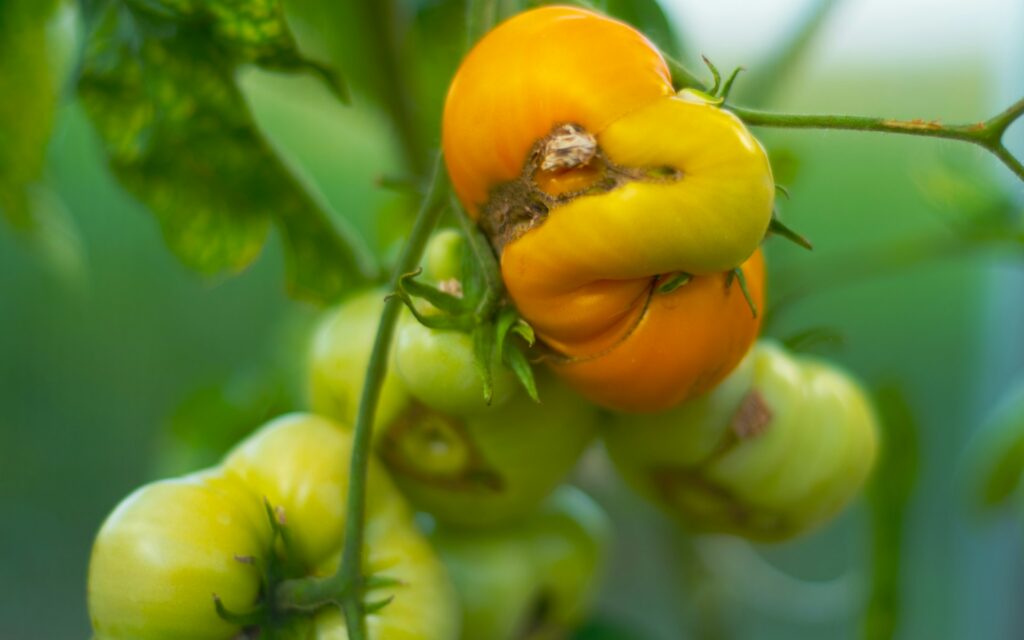

How CSA Boosts Resilience and Incomes for Smallholder Farmers
Climate-Smart Agriculture (CSA) is not just about protecting the environment — it’s also a game-changer for the livelihoods of Kenyan smallholder farmers. By adopting CSA practices, farmers are better prepared to withstand climate shocks while increasing productivity and profitability.
- Improved Crop Yields – CSA methods like drought-resistant seeds and conservation farming help maintain stable harvests even during unpredictable weather.
- Diversified Income Streams – Agroforestry and integrated farming systems provide farmers with multiple sources of income from trees, crops, and livestock.
- Reduced Input Costs – Composting, mulching, and other eco-friendly practices lower the need for expensive synthetic inputs.
- Access to New Markets – Climate-resilient products often attract premium buyers and open doors to green or organic markets.
- Enhanced Food Security – With better yields and more consistent production, households experience less hunger and malnutrition.
CSA truly empowers smallholders to thrive despite the climate crisis.
Barriers to CSA Adoption in Kenya
Despite the promise of Climate-Smart Agriculture (CSA), many smallholder farmers in Kenya face significant challenges that hinder widespread adoption. These barriers limit the full potential of CSA in enhancing food security and resilience.
- Limited Awareness & Knowledge
Most farmers lack access to accurate, localized information about CSA techniques and benefits. - High Initial Costs: Practices like drip irrigation or greenhouse farming require upfront investment that many smallholders cannot afford.
- Inadequate Extension Services: Few farmers receive training or consistent support from agricultural extension officers on climate-resilient practices.
- Market Access Limitations: Even when farmers produce more or diversify, they struggle to find markets that offer fair prices for climate-smart products.
- Policy Gaps: Supportive policies for CSA are often lacking or poorly implemented, making it hard for farmers to benefit from government incentives.
Overcoming these challenges is essential to scale CSA solutions across Kenya.
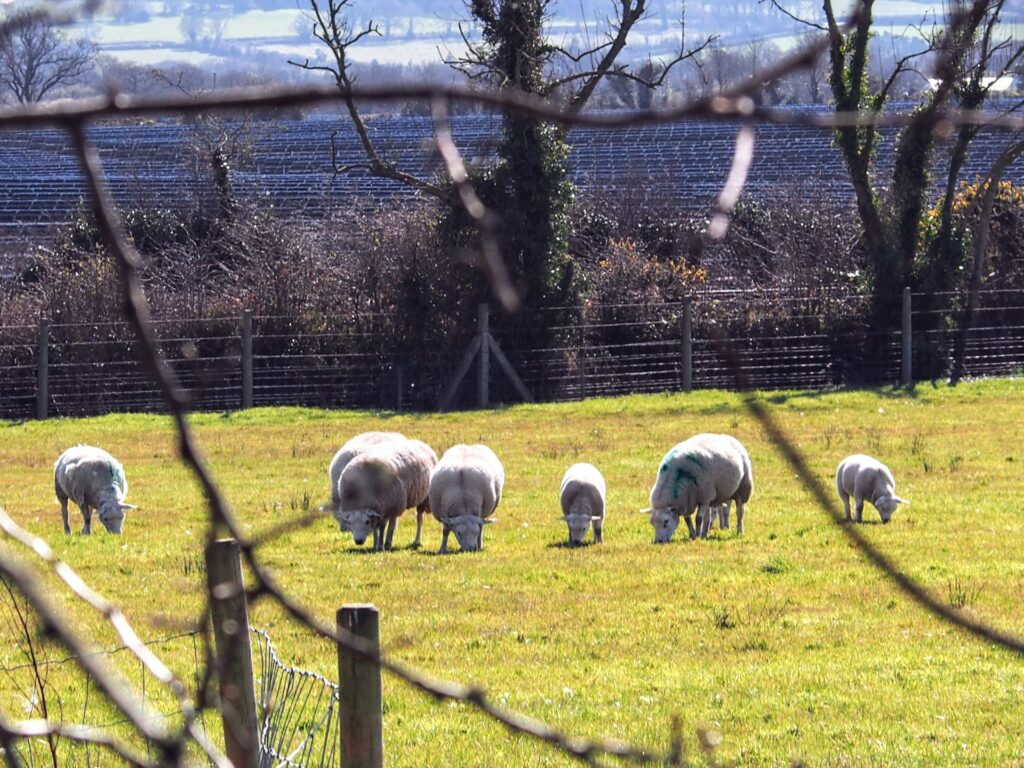

How Donwise is Driving CSA Adoption Among Smallholder Farmers
Donwise Global Partners is at the forefront of transforming Kenya’s agricultural landscape by helping smallholder farmers embrace Climate-Smart Agriculture (CSA) practices. Our mission is to make agriculture more resilient, productive, and sustainable through hands-on support and innovative solutions.
Training & Capacity Building
We offer tailored training programs that teach farmers practical CSA techniques, such as crop rotation, agroforestry, conservation tillage, and efficient irrigation systems.
Access to Climate-Smart Inputs
Donwise connects farmers to quality inputs like drought-tolerant seeds, organic fertilizers, and water-saving technologies.
Field Demonstrations & Peer Learning
We establish model farms where farmers can see CSA methods in action and learn from each other’s experiences.
Market Linkages
We help farmers connect with buyers who value climate-resilient produce, ensuring better income for their efforts.
Policy Engagement
Donwise works with local and national stakeholders to create an enabling environment for CSA adoption.
Building a Climate-Smart Future for Kenya
Climate-Smart Agriculture is not just a trend—it’s a lifeline for Kenya’s food systems in the face of increasing climate stress. By adopting CSA practices, smallholder farmers can protect their livelihoods, boost food production, and contribute to environmental conservation. The journey to sustainable agriculture requires collaboration, innovation, and continuous learning.
At Donwise, we believe that every farmer has the potential to be a climate hero. Through targeted training, access to climate-resilient resources, and strong market support, we’re empowering smallholders to thrive in a changing climate. Together, we can build a future where farming is not only profitable but also sustainable and secure.
As we continue to scale our impact, we invite partners, policymakers, and communities to join us in advancing Climate-Smart Agriculture across Kenya. The time to act is now—our climate, our food, and our farmers depend on it.
